Class 17: HTTP Servers & Express.js
- Review: Last Class
- HTTP: Requests & Responses
- Express.js
- RESTful APIs
Review
Review: Design System
A design system is a complete set of standards to manage design at scale by using reusable components and patterns while creating a shared language and visual consistency across different pages and channels. Typically, this includes: a style guide, a component library, and a pattern library.
Review: Style Guide
A style guide is a document that provides specific implementation guidelines, visual reference, and design principles for the visual design of a product.
Typically, a style guide focuses on branding: colors, typography, etc. However, some style guides also offer guidance on content (i.g. tone of voice).
Review: Component Library
A component library is a collection of reusable components that are designed to be used in a design system.
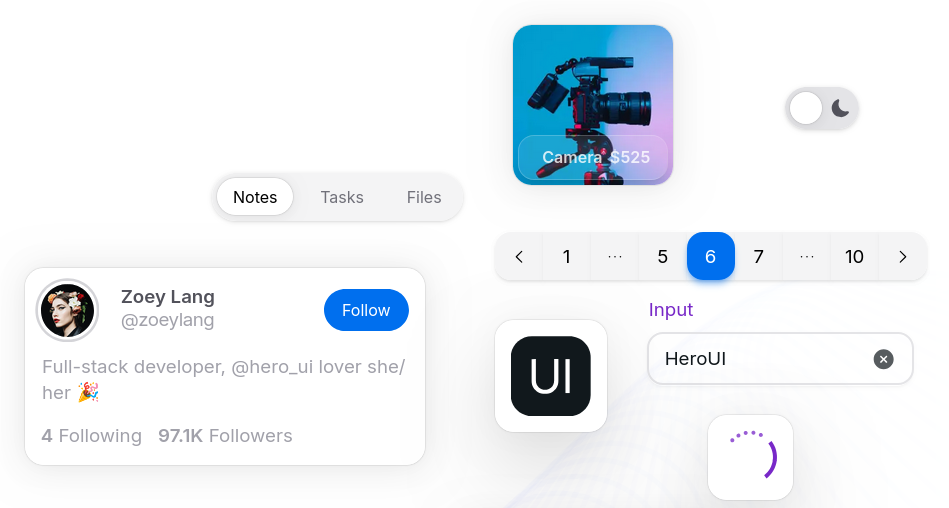
Review: Pattern Library
A pattern library is a collection of reusable design patterns that are designed to be used in a design system.
Examples:
- Main content as cards
- Search bar visible in header
- Filter chips/pills displayed above content
Review: Utility-First CSS -- Tailwind CSS
Tailwind CSS is a popular utility-first CSS framework that provides a large set of utility classes for styling web applications.
export default function Button({ color = 'default', children }) {
  const base = 'px-4 py-2 font-semibold rounded cursor-pointer';
  const styles = {
    default: 'bg-slate-100 text-black hover:bg-slate-500 hover:text-white',
    primary: 'bg-blue-400 text-white hover:bg-blue-600',
  };
  return <button className={`${base} ${styles[color]}`}>{children}</button>;
}
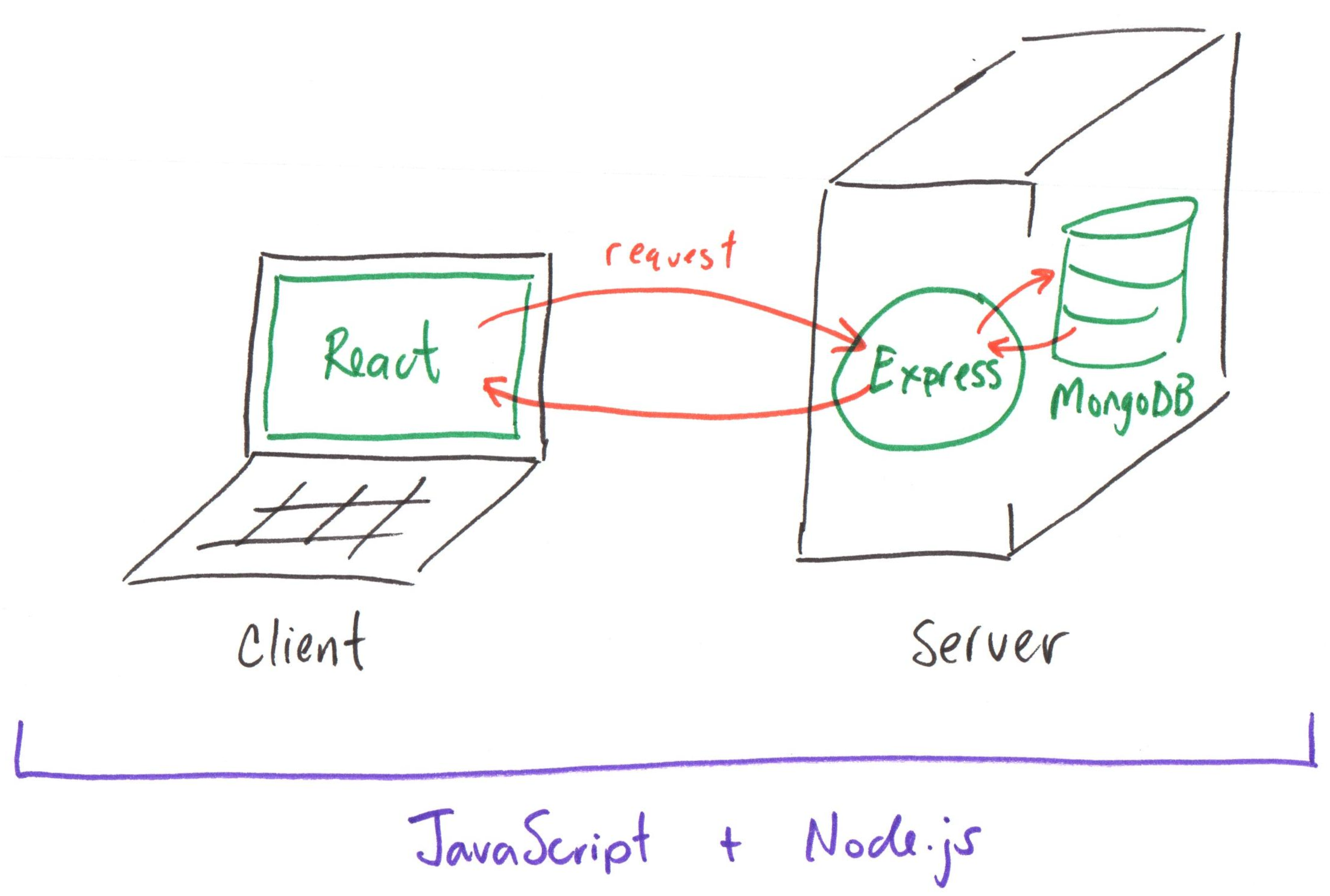
Review: MERN Stack
HTTP
HTTP
Hypertext Transfer Protocol
An application-layer protocol for transmitting resources between client and web servers.
Activity: Dev Tools Network Tab
Together, open the Network tab in your browser's developer tools and then open any website (static website preferred).
Explore the requests and responses.
- How many requests are needed to load the web page?
- What resources are being requested?
- What information is included in the request and response headers?
HTTP Request & Response
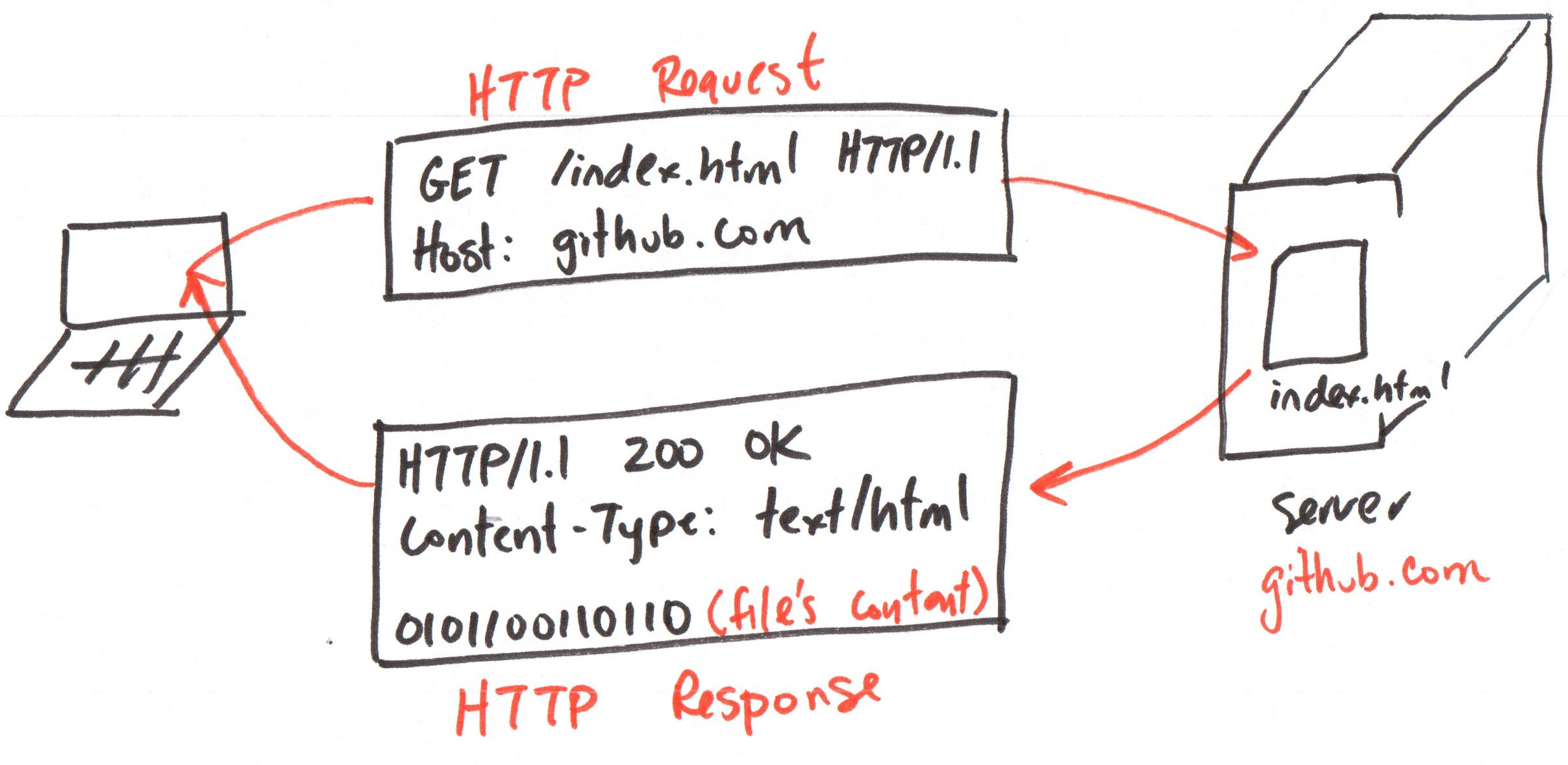
HTTP Request Format
METHOD /RESOURCE HTTP/1.1
Example:
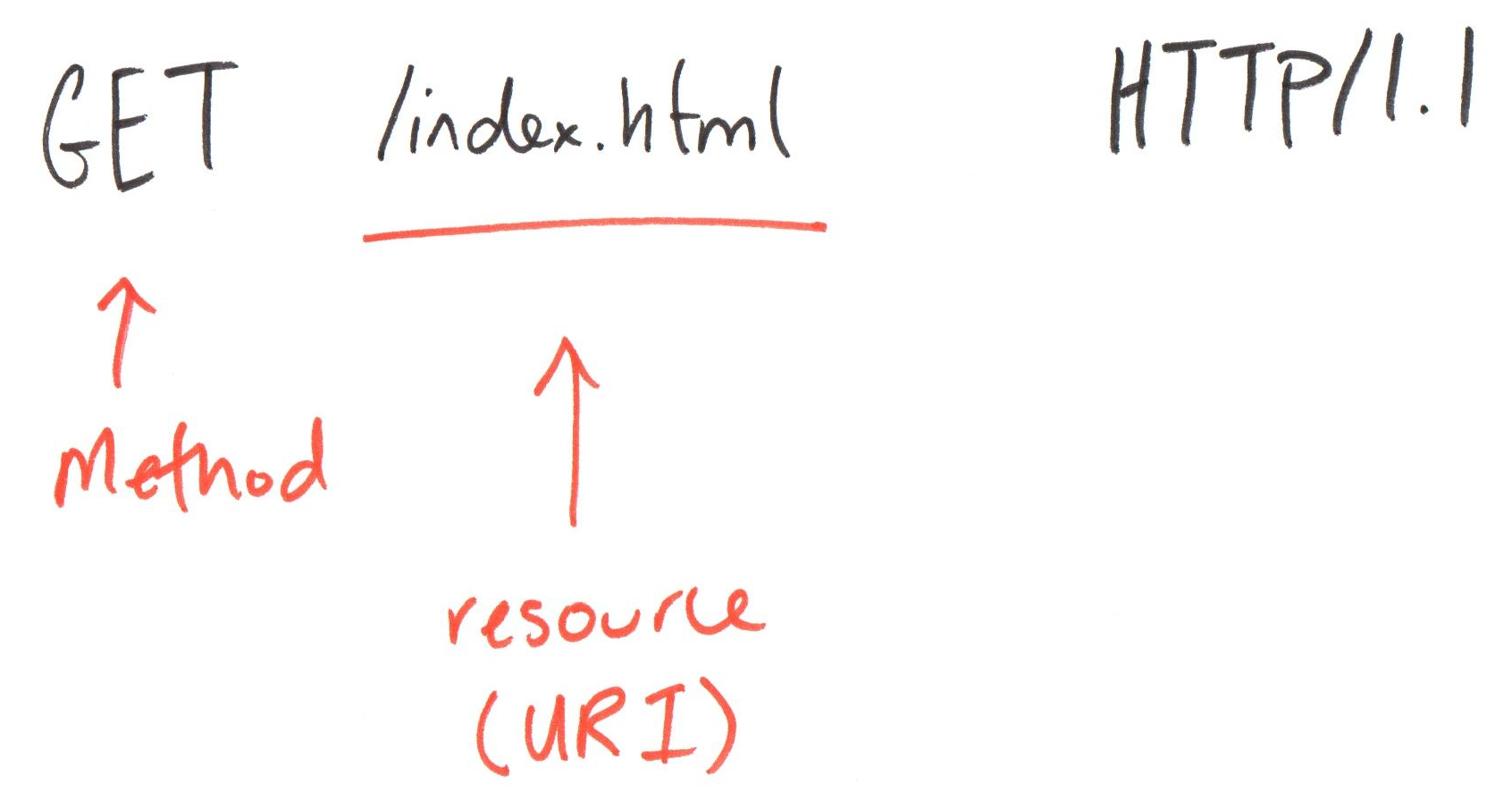
HTTP Request Methods
GET: Retrieve a resource
POST: Create a new resource
(Other methods include PUT, PATCH, DELETE, etc.)
HTTP Response Format
HTTP/1.1 STATUS_CODE STATUS_MESSAGE

CONTENT_OF_RESOURCE
Example: Resource found
HTTP/1.1 200 OK

<html>
  <body>...</body>
</html>
Example: Resource not found
HTTP/1.1 404 Not Found
Activity: Static Website HTTP Server
Working with your peers (2-4), write a pseudocode algorithm to serve the resources for a static website using HTTP.
You only need to serve two files: /index.html and /styles/site.css
Request:
GET /index.html HTTP/1.1
Response:
HTTP/1.1 200 OK

<html>
  <body>...</body>
</html>
Express.js
Express.js
A backend web application framework for building web servers and RESTful APIs in Node.js.
Express.js: Responding to HTTP Requests
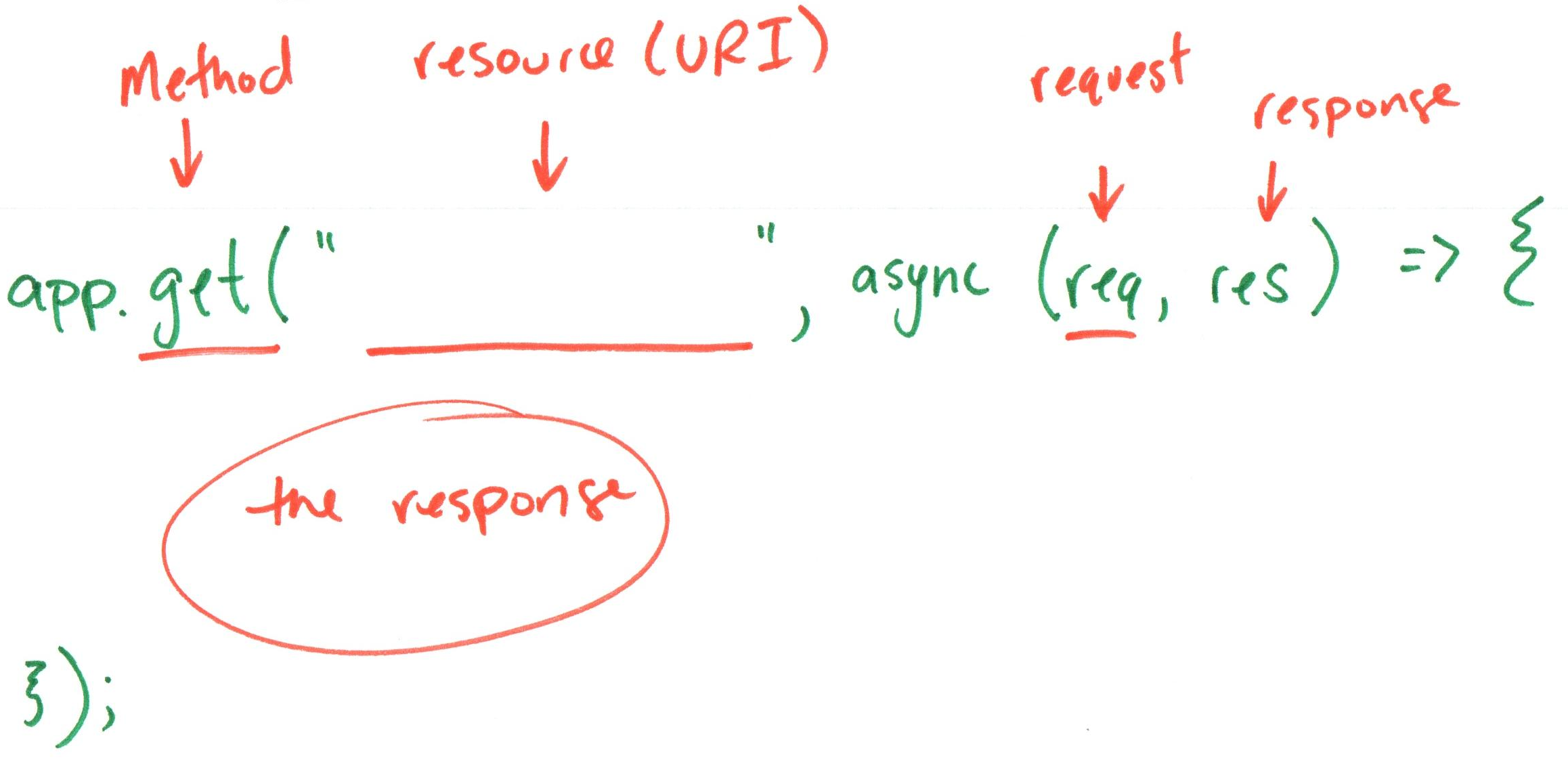
Example: Respond to Request for index.html
app.get('/index.html', async (request, response) => {
  response.sendFile('index.html')
})
Activity: Static Website HTTP Server
Together, write the code for the Express.js server that serves the resources for a static website.
index.htmlstyles/site.css
RESTful APIs
REST (or RESTful) API
An Application Programming Interface that adheres to the constraints of REST architecture to support communication between client and server to exchange resources, like data and media.
A RESTful API supports the creation, retrieval, updating, and deletion of resources (CRUD operations) using HTTP methods.
Example: RESTful API
Request:
GET /api/documents HTTP/1.1
Response:
HTTP/1.1 200 OK

[
  { id: 1, title: 'Document 1', content: '...' },
  { id: 2, title: 'Document 2', content: '...' },
  ...
]
Activity: Express.js RESTful API
Together, write the code for an Express.js server that implements a RESTful API for retrieving a collection of documents.
// GET: /api/documents
app.get('/api/documents', async (req, res) => {
  const documents = [
    { name: "Apple", category: "fruit", ... },
    { name: "Banana", category: "fruit", ... }
  ]

  res.status(200).json(documents)
})
REST Client
A tool for exploring, testing, and debugging REST APIs.
A popular REST client is Postman. However, we'll be using httpbook because it works with with Codespaces.
Summary
Summary
- HTTP is the protocol for transmitting resources between client and web servers.
- An HTTP request includes a method (e.g. GET, POST) and a URI/path
- An HTTP response includes a status code (e.g. 200, 404) and the contents of the requested resource (if found)
- Express.js is a backend web application framework for building web servers and RESTful APIs in Node.js
- A RESTful API supports the creation, retrieval, updating, and deletion of resources (CRUD operations) using HTTP methods
- REST clients are tools for exploring, testing, and debugging REST APIs
What's Next
Today: Project 2, Milestone 2 Due
Wednesday: RESTful API Design
Friday: Practice Problem Workshop