Research Excellence

Information Science faculty at the forefront of research, innovation

12
NSF CAREERs
4
Sloan Research Fellowships
4
ACM Fellows
2
MacArthur Fellows
View department awards View department awards

Artificial intelligence

Information science researchers explore the dynamic relationship between artificial intelligence (AI) and human capabilities, studying how these technologies can enhance the way people learn, work, and make decisions.

View Research

Researchers explore how to make AI systems more accountable and transparent through innovative auditing approaches. 

VIEW RESEARCH

Leverages computational methods to inform and improve society. Study topics include fairness and privacy, human social behavior, collaboration, and social and information networks.

VIEW RESEARCH

Explores the complex dynamics between humans and artificial intelligence systems, studying how people interact with, understand, and collaborate with AI technologies.

VIEW RESEARCH

Examines how to make natural language processing (NLP) systems more human-centered, focusing on technology that truly serves people's needs and respects human values. The field investigates how to create NLP systems that are not only powerful but also transparent, fair, and easy to understand.

VIEW RESEARCH

Critical and humanistic approaches to computing

Critical and humanistic approaches to computing examine how technology shapes society, culture, and human experience. Researchers analyze power structures, ethical implications, and social justice concerns in digital systems. 

VIEW RESEARCH

The intersection of art and technology is creating new research frontiers in information science. Researchers explore how digital tools can expand artistic expression while artistic principles inform technological innovation.

VIEW RESEARCH

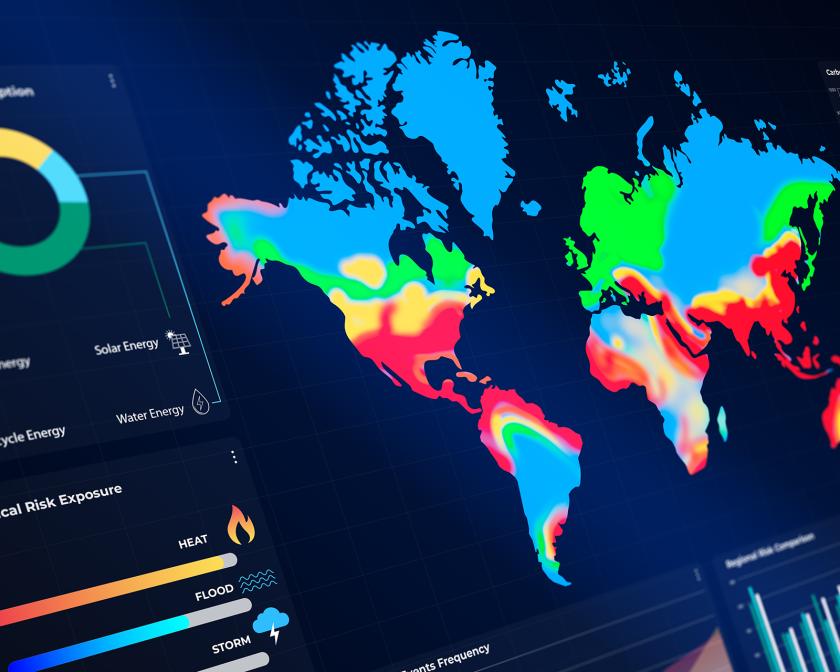
Combines advanced technology with environmental science to tackle our planet's challenges. This field uses powerful computing tools to analyze environmental data, simulate future scenarios, and support informed decision-making.

VIEW RESEARCH

Explores how human innovation develops and transforms society. Researchers study the complex relationships between technological advancement, scientific discovery, social change, and environmental impact.

VIEW RESEARCH

Investigates technology's place in our culture, evaluating how we use and consider evolving technology. Study topics include how social media police the public discourse, and rethinking the assumptions underlying technologies.

VIEW RESEARCH

Explores fundamental questions about technology's nature and its societal impact, building on philosophical foundations while advancing new frameworks for the digital age.

VIEW RESEARCH

Investigates how science and technology interact with society, examining their mutual influence and evolution. Through interdisciplinary approaches, researchers analyze how scientific knowledge develops and spreads, while studying technology's social, cultural, and ethical implications.

VIEW RESEARCH

Computational approaches to studying people and society

Merges big data analytics with social theory to decode human behavior. Our researchers use advanced computational tools to study everything from individual interactions to large-scale social phenomena, drawing insights from digital footprints across platforms.

View Research

This emerging field requires collaboration between data scientists who can build analytical tools and social scientists who know which questions to ask.

VIEW RESEARCH

Research in economics and information applies expertise in algorithms, networks, mathematics, and more to tackle complex, data-driven challenges.

VIEW RESEARCH

Designing, developing, and evaluating innovative technologies that enhance teaching and learning. 

VIEW RESEARCH

Develops computational models of human language and machine learning — applying these tools to linguistic analysis, natural language understanding, and interdisciplinary work across the social sciences and humanities.

VIEW RESEARCH

Examines how the social, technological, and natural worlds are connected, exploring areas like network flow, the ways in which information spreads through social networks, and how and why fads develop (and collapse).

VIEW RESEARCH

Ethics, law, and policy

Explore how to govern emerging technologies, examine how tech challenges existing legal and policy frameworks, and how to mediate their risks while reaping their benefits.

View Research

Explores how to govern emerging AI technologies, examining challenges to existing policy frameworks, and how to mediate their risks while maximizing their benefits.

VIEW RESEARCH

Examines the impact of biases in data and algorithms across multiple fields and industries, while addressing problems of accessibility by building and evaluating computing systems for underserved populations. 

VIEW RESEARCH

Investigate how modern information systems impact privacy and surveillance in today's connected world. Through innovative research and practical solutions, research aims to develop better ways to protect individual privacy while addressing the complex challenges posed by emerging technologies

VIEW RESEARCH

This rapidly evolving area spans privacy, intellectual property, cybersecurity, and emerging technologies like AI and blockchain. Researchers examine both how technology impacts legal frameworks and how legal tools can govern technological innovation.

VIEW RESEARCH

Human-computer interaction and design

Explores how humans interact with technology, using insights from psychology, design, and computer science to create more effective and enjoyable digital experiences. Through iterative testing and user research, they develop systems that better serve human needs.

View Research

Investigates how to make information systems and technologies usable by everyone. Through universal design principles and assistive technologies, researchers study ways to remove barriers and create more inclusive digital experiences. 

VIEW RESEARCH

Merges technical innovation with social understanding to create more human-centered technology. Researchers develop and evaluate systems that support collaboration while critically examining how technology shapes social, cultural, and political dynamics.

VIEW RESEARCH

Explores how information science transforms manufacturing processes. Research integrates data analysis, automation systems, and digital modeling to advance production capabilities.

VIEW RESEARCH

Studies how design and interactivity influence both individual and group settings, ranging from direct companionship and teamwork to enhancing group dynamics and collaboration.

VIEW RESEARCH

Looks at how to design technology that fits people, examines the differences in individuals, environments and contexts and enables technology to help people in making them more healthy, connected, and productive.

VIEW RESEARCH